What Is the Most Restful Way to Sleep? 4 Key Tips
35% off on product page · save $167.99
What Is the Most Restful Way to Sleep? 4 Key Tips
Choose a Restful Sleep Position
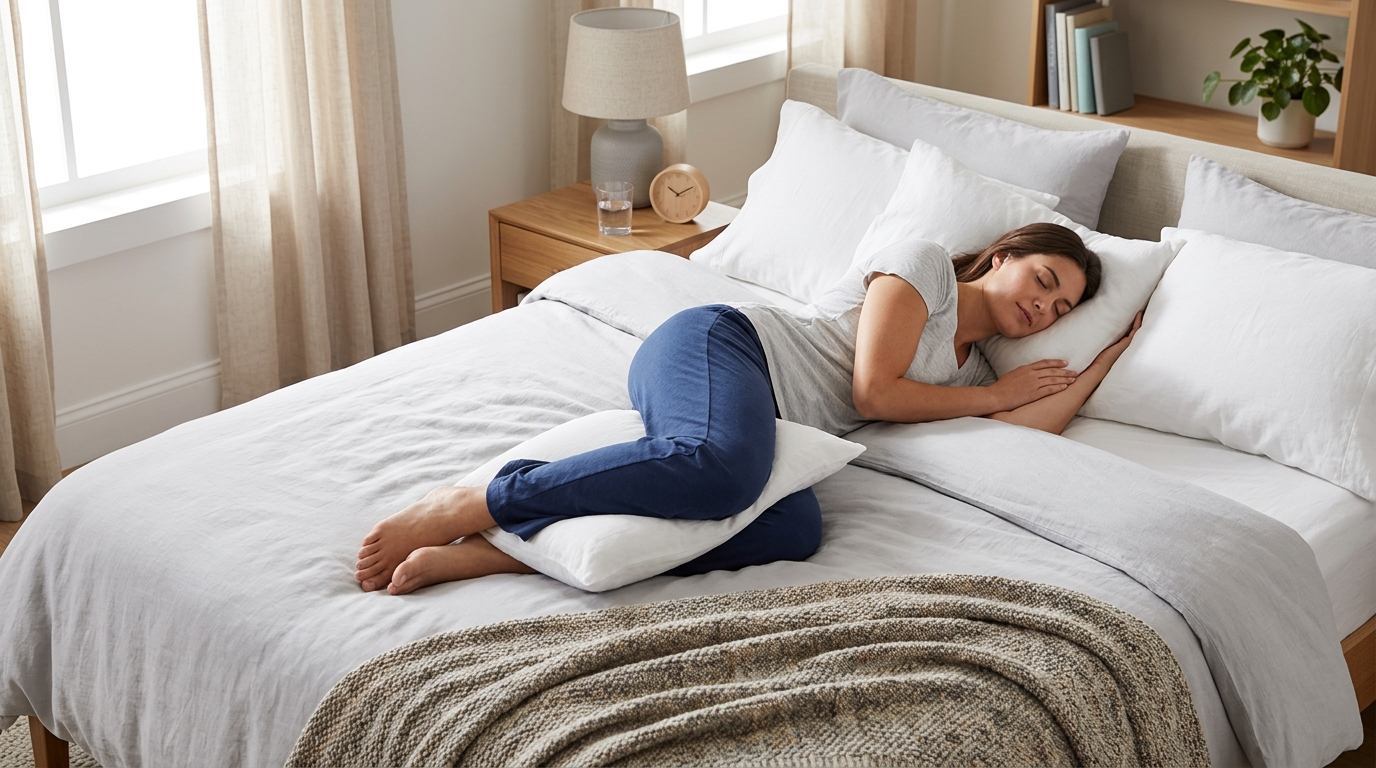
For many adults, side sleeping is the most restful position because it can reduce snoring and help keep the airway open. Place a supportive pillow under your head and another between your knees to keep your neck, hips, and spine aligned.
Keep a Consistent Sleep Schedule
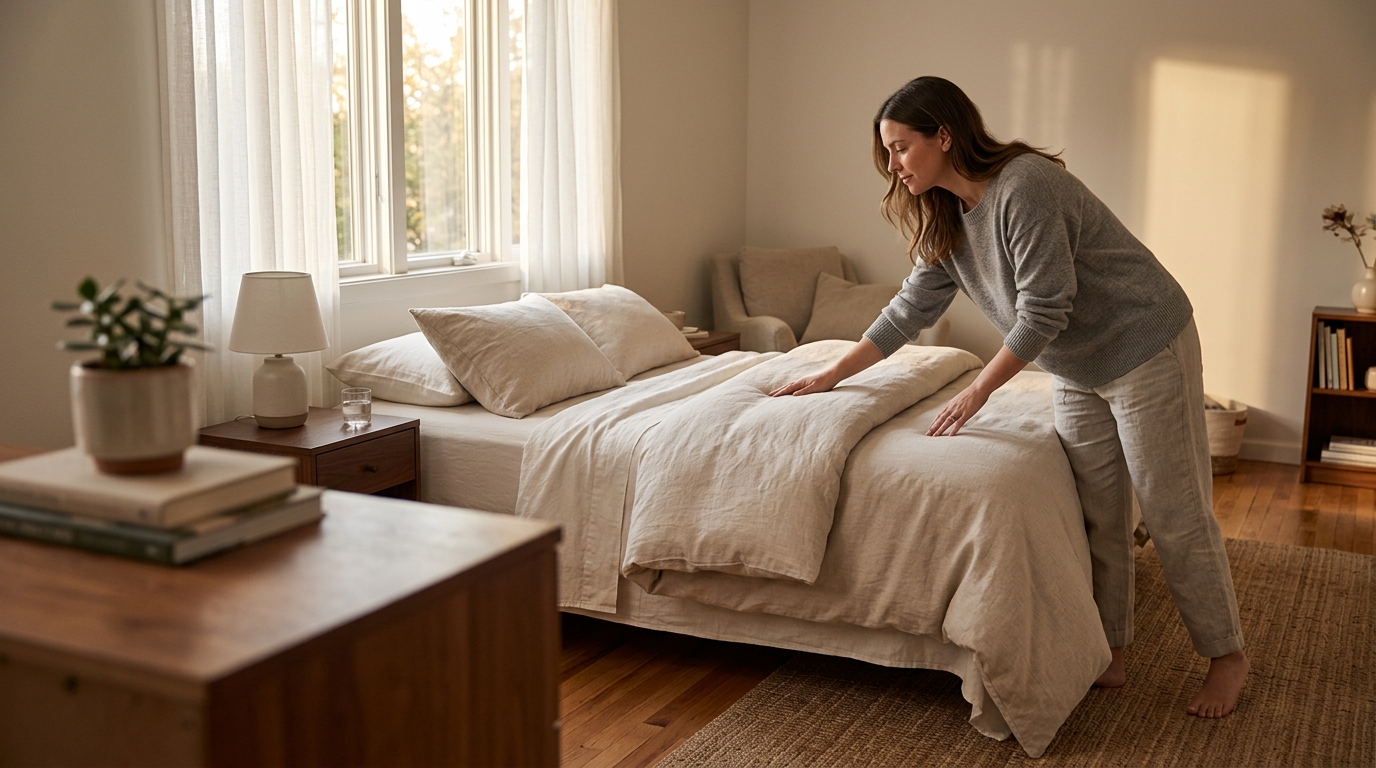
Go to bed and wake up at approximately the same time every day, including weekends. Aim for seven to nine hours of sleep and adjust bedtime in 15-minute increments until you regularly wake feeling refreshed.
Featured in this guide
The Sleep Optimization Bundle for Better Rest – 5-in-1 Digital Downloads for Restful Sleep
Prepare a Sleep-Friendly Bedroom
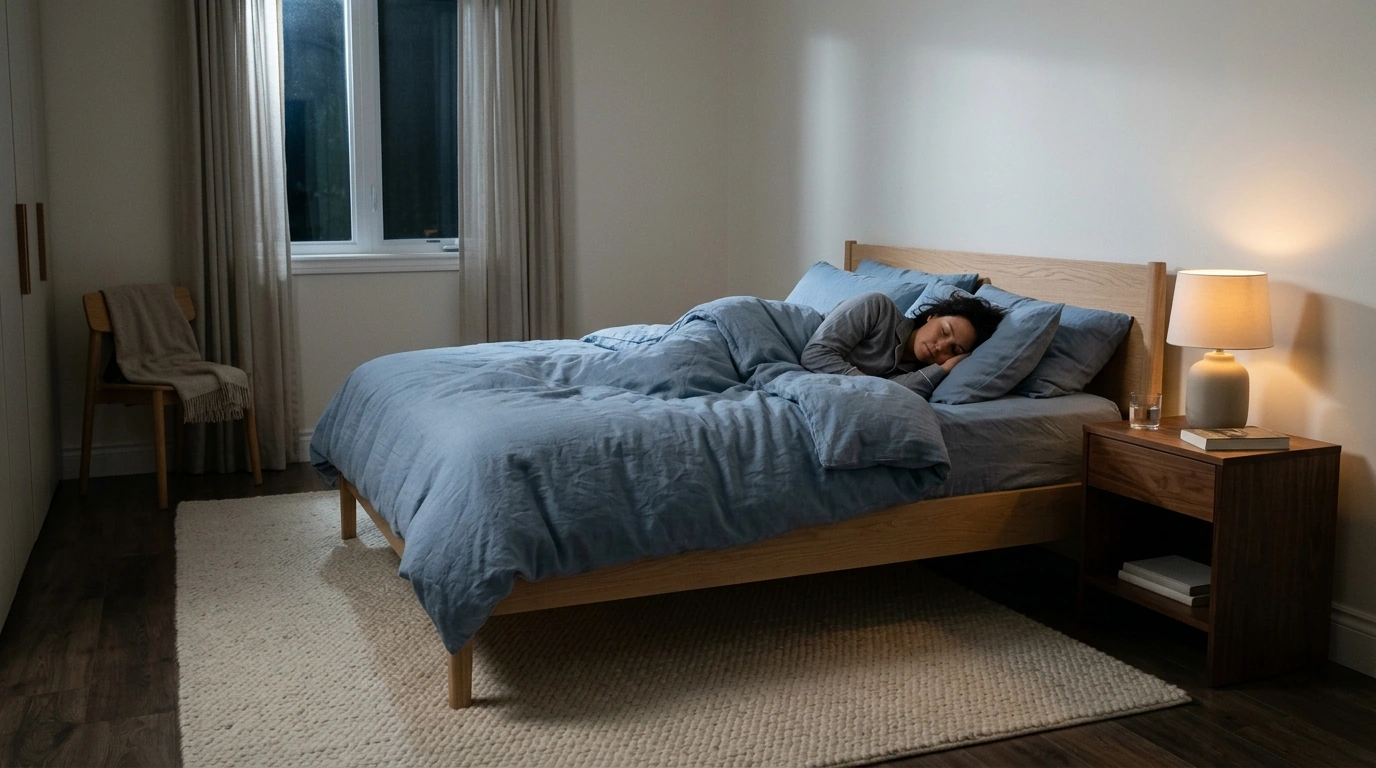
Set the thermostat around 60–67°F, block unwanted light, and reduce disruptive sounds with earplugs or a white-noise machine. Choose breathable bedding and a mattress that supports your usual sleeping position without creating pressure points.
Build a Calming Wind-Down Routine
Dim the lights and stop using bright screens 30–60 minutes before bedtime. Gentle stretching, reading, or slow breathing can signal that it is time to rest; find more practical guidance in this complete guide to restful sleep.

Watch · product page video
“This bundle has been so helpful in improving my mental well-being. My mood has improved significantly since I started sleeping better and stress levels have reduced too!”
Stellargoodsboutique product page · Product review
FAQ
What is the absolute healthiest way to sleep?
The absolute healthiest way to sleep is generally on your side with your spine neutrally aligned, although individual medical needs vary. Use a pillow that fills the space between your neck and mattress, and consult a clinician if pain or breathing problems affect your position.
Is 1 hour of REM sleep a night enough?
One hour of REM sleep may be below the typical adult range, since REM commonly accounts for roughly 20%–25% of total sleep. A single tracker reading is not diagnostic, but persistent fatigue or consistently low REM estimates should be discussed with a healthcare professional.
What is the Japanese trick to sleep?
The Japanese trick to sleep often refers to relaxation practices such as deep belly breathing or lying on a firm futon in an uncluttered room. Try inhaling for four seconds and exhaling for six seconds for five minutes, without forcing sleep.
What is the strongest natural sleep remedy?
The strongest natural sleep remedy is usually a consistent routine supported by morning light exposure, regular exercise, and limited evening caffeine. Supplements such as melatonin can interact with medications, so ask a healthcare professional before using them.
How can I increase my deep sleep hours?
You may increase deep sleep hours by maintaining a fixed schedule, exercising regularly, and avoiding alcohol close to bedtime. Finish vigorous exercise at least two to three hours before bed and keep the bedroom cool and dark.
See if The Sleep Optimization Bundle for Better Rest – 5-in-1 Digital Downloads for Restful Sleep fits your setup









Leave a comment