Insomnia Recovery Toolkit: 4-in-1 Sleep Bundle

4-in-1 sleep resource bundle
A More Considered Approach to Better Sleep
Why a Multi-Part Sleep Toolkit Can Be Useful
Sleep difficulties frequently have interconnected causes. Stress may make it difficult to unwind, while an inconsistent schedule can disrupt natural sleepiness. Spending long, frustrated periods awake in bed may also condition the brain to associate bedtime with alertness.
A four-part format can address several areas instead of relying on one isolated tactic. Useful sleep resources translate broad advice into repeatable actions, such as keeping a stable wake time, following a short wind-down sequence, and recording patterns that interfere with rest.
Common Sleep Barriers and Supportive Actions
| Sleep barrier | Practical action | What to observe |
|---|---|---|
| Racing thoughts | Schedule a brief planning or journaling period before winding down. | Whether mental rehearsal decreases over several evenings. |
| Irregular timing | Keep the morning wake time as stable as possible. | Changes in evening sleepiness and morning alertness. |
| Evening stimulation | Dim lights and step away from work or upsetting content. | How easily the body transitions into a calmer state. |
| Long periods awake in bed | Use the bed primarily for sleep and follow clinician-approved guidance. | Time spent awake and frustration around bedtime. |
Educational tools should support, not replace, professional assessment. The National Heart, Lung, and Blood Institute provides additional information about insomnia, its symptoms, and available treatments.
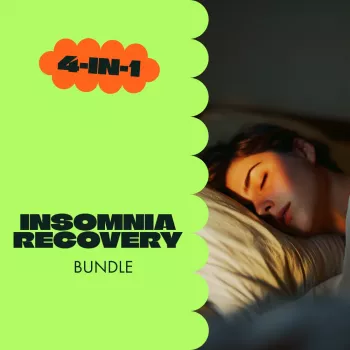
Featured in this guide
The Insomnia Recovery Toolkit for Deep Rest: 4-in-1 Bundle for Better Sleep
What to Confirm Before You Buy
The supplied listing identifies four components but does not detail each one. Before ordering, verify whether the resources are digital or physical, how access or delivery works, whether worksheets are reusable and whether special software is required.
Also review compatibility, accessibility information, refund conditions and current store terms. Clear instructions and manageable exercises matter because an elaborate system is less likely to become part of an ordinary evening.
| Product | The Insomnia Recovery Toolkit for Deep Rest: 4-in-1 Bundle for Better Sleep |
|---|---|
| Bundle size | Four components; verify the exact contents before ordering |
| Key format check | Confirm whether each component is digital or physical |
| Access check | Confirm delivery, software and reuse requirements |
For the most current listing information, explore the 4-in-1 Insomnia Recovery Toolkit for Deep Rest.
How to Put the Plan Into Practice
Begin with a seven-night baseline rather than changing everything immediately. Estimates are sufficient; repeated clock-checking can increase anxiety. Once the baseline is complete, introduce exercises gradually so it is easier to identify what helps.
A stable morning anchor may be more practical than forcing a rigid bedtime when sleepiness varies. In the evening, lower the lights, finish necessary tasks, place distracting devices out of reach and choose a quiet activity that does not feel like a performance test.
Consistency matters more than creating a perfect evening. A routine should be calm enough to repeat and flexible enough to live with.
Evidence-Based Habits That Complement Sleep Resources
Cognitive behavioral therapy for insomnia, or CBT-I, is generally recommended as a first-line treatment for chronic insomnia. It brings together behavioral methods, cognitive techniques and sleep education.
Morning light and regular daytime movement may support circadian timing. Caffeine can affect alertness for hours, so sensitive individuals may benefit from moving their final serving earlier. Alcohol may feel sedating initially but can disrupt sleep later and should not be treated as an insomnia remedy.
Slow breathing, progressive muscle relaxation and body scans may reduce arousal when practiced without pressure to fall asleep immediately. Judge progress weekly rather than night by night; gradual improvement in daytime functioning can be more informative than pursuing perfect sleep.
Check the listed dimensions for evidence-based habits that complement sleep resources against the available vehicle space before use.

Watch · product page video
“The natural approach of this toolkit works wonders! It’s not just tips but a complete system combining practical advice with meditative techniques specifically designed together. Now I can finally enjoy deep restful nights.”
Stellargoodsboutique product page · Product review
When Professional Support Matters
Consult a healthcare professional when sleep difficulty occurs several nights per week, lasts for months or substantially affects mood, concentration, work, relationships or driving safety.
Loud snoring, gasping, breathing pauses, uncomfortable urges to move the legs, unusual nighttime behavior or extreme daytime sleepiness also warrant evaluation. Discuss melatonin, antihistamines, prescription medications and other supplements with a clinician or pharmacist.
A toolkit can still be useful during professional care by helping document routines, symptoms and questions for appointments.
Compare related options such as Weekly Home Reset with a Simple System: 3 in 1 Bundle of eBooks, Guides & Checklists to match features, dimensions, and use case before choosing.
FAQ
What is the 3-3-3 rule for sleep?
Several unrelated sleep tips use the 3-3-3 label, so it is not one standardized clinical treatment. Verify which version is being discussed and prioritize established guidance such as consistent timing and clinician-directed CBT-I.
What is the most effective sleep aid for insomnia?
No single aid is best for everyone. For chronic insomnia, clinical guidelines generally recommend CBT-I first, while medications and supplements require individualized professional advice.
Does Jennifer Aniston suffer from insomnia?
Jennifer Aniston has publicly discussed experiencing sleep difficulties and insomnia. A celebrity’s experience does not provide medical guidance, so personal symptoms should be discussed with a qualified professional.
See if The Insomnia Recovery Toolkit for Deep Rest: 4-in-1 Bundle for Better Sleep fits your setup









Leave a comment